 (713) 965-7200
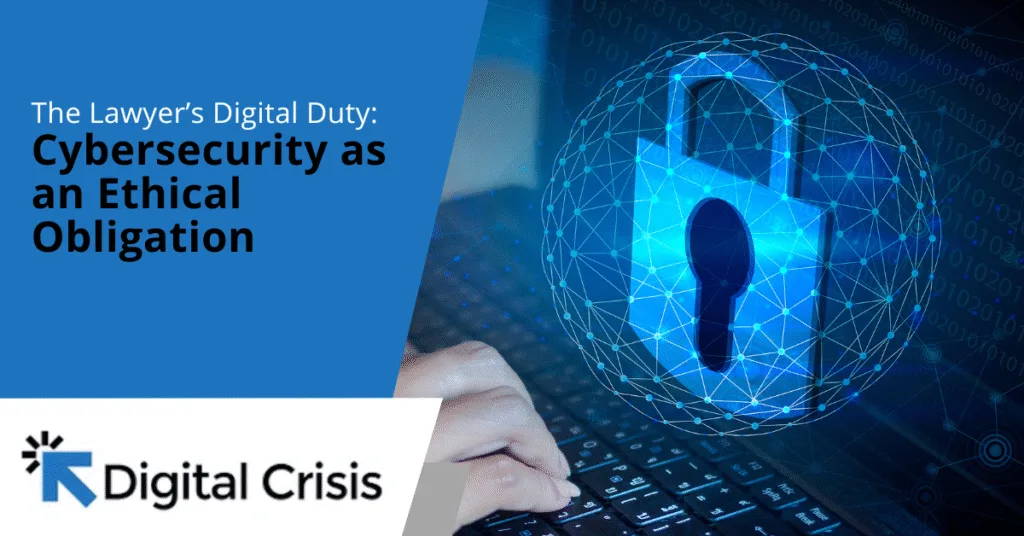
 The Lawyer’s Digital Duty: Cybersecurity as an Ethical Obligation


As a law firm, clients trust you with their most sensitive information such as medical records, financial statements, business contracts, intellectual property files, and personal ID documents. These records often remain in your system for years until a case is fully resolved or when retention requirements legally allow you to dispose of them.
Is your firm capable of keeping these records secure and preventing any form of hacking? Are you concerned that a cyberattack could expose confidential client information and damage your reputation?
The truth is that cybercriminals are increasingly targeting legal practices because they know your data is so valuable. A 2025 survey by Proton shows that ~20% law firms report having experienced a security breach in the past year, and almost 40% of those admitted to losing confidential client information or having it exposed. That means you need a reliable security framework that ensures your firm is prepared for online threats before they escalate into serious incidents.
After working with firms facing similar concerns, we have tailored a security framework we are excited to recommend. We will now show you how to apply this framework in your practice as well.
Cyber Security Guidelines Every Law Firm Should Follow
- Identify Where Your Firm Is Most Vulnerable
The first step is to identify areas that require your immediate attention, so that you can build a cybersecurity framework tailored to your firm. Consider reviewing:
- Email practices: Review password strength, shared accounts, phishing protections, and email encryption.
- Storage systems: Confirm if the files are encrypted and backed up.
- Third-party software: Check vendor access, software updates, integrations, and any cloud platforms.
- User accounts: to identify dormant or inactive accounts.
- Network security: such as firewalls and intrusion detection systems.
- Device security: Include your laptops, smartphones, tablets, and other devices.
This step will help you discover your weak passwords, outdated software, unsecured file-sharing platforms, and hidden entry points that cybercriminals could exploit.
- Secure Your Workflows
Once your vulnerabilities are identified, you need to fortify the most critical areas. Consider strengthening access with multi-factor authentication. MFA adds an extra layer of protection by requiring additional verification to access sensitive information.
You should also:
- Ensure that all operating systems and security tools are up to date. Outdated software often contains known security flaws that hackers can exploit.
- Ensure sensitive files are encrypted. This means that even if files are intercepted or stolen, they cannot be read or used without decryption keys.
- Review permissions regularly and remove unnecessary access to reduce the risk of both internal and external breaches. This ensures that only authorized personnel can view or modify sensitive client information.
- Secure remote work and endpoints by ensuring remote employees use VPNs, secure networks, and updated devices to prevent unauthorized access from outside the office.
- Keep encrypted backups both locally and in the cloud to allow rapid recovery in the event of a cyber incident.
- Train Your Team to Recognize Threats
Even the most advanced systems can fail if your team isn’t properly trained to recognize and respond to threats. Educate your staff about cybersecurity threats, such as phishing attempts, suspicious emails, unsafe links, and unauthorized file downloads.
Offer practical training on spotting red flags, safely handling attachments, and verifying requests that involve sensitive client data. You can reinforce these lessons with regular refresher sessions and simulated exercises to enhance security awareness.
You should also encourage employees to report any suspicious activity immediately, so potential threats can be contained before they escalate. When everyone in your firm understands their role in protecting client data, your organization becomes less vulnerable to attacks, and your clients’ trust will remain intact.
- Create an Incident Response Plan
Once you’ve set up strong security measures and a trained team, you may think that you are fully protected against cyberattacks. Unfortunately your firm isn’t immune to cyber threats if it doesn’t also have a proper incident response plan in place.
The plan should include what steps to take in a breach, including who to notify, how to contain the threat, and how to communicate with affected clients. Assign roles and responsibilities in advance so that every team member knows their part. Then regularly test the plan through drills to ensure that everyone is prepared.
Your incident response plan will reduce your response time which will limit the potential damage since you will be able to respond quickly before the incident escalates into a larger problem.
Let Us Help You Protect Your Law Firm Against Cyber Threats
Most law firms are focused on winning cases and growing their practice. Only a few put the necessary emphasis on cybersecurity. Attackers are aware of this, which is why they target law firms to steal data to manipulate cases or extort attorneys.
These breaches can compromise your roles and lead to financial losses. According to a 2025 IBM report, the average cost of a data breach currently stands at $4.4 million, underscoring just how damaging evens a single cyber incident can be to your reputation and bottom line.
Digital Crisis can help. We work closely with law firms to build a strong cybersecurity framework tailored to their operations. Our team assists with risk assessments, multi-layered security measures, employee training, and incident response planning. Our goal is to reduce your exposure to attacks, protect client trust, minimize the financial risks, and support your long-term growth.
Contact us today to book your appointment.